


When it comes to securing a home in Ghana, you face a critical decision: should you build or buy? This choice isn’t just about aesthetics or personal preference—it’s about understanding the real estate landscape and recognizing the hidden costs that can significantly impact your budget. Navigating this complex decision requires a comprehensive understanding of the market dynamics, financial implications, and the long-term consequences of each choice. In this context, we will discuss ‘Building vs Buying in Ghana the hidden costs no one tells you about.’
In this article, we’ll delve into the intricacies of real estate options in Ghana, focusing on the pros and cons of building versus buying, and unveiling the hidden costs that you need to consider. We’ll explore the landscape of Ghana’s real estate market, dissect the appeal of purchasing versus constructing a home, and provide insights into making an informed decision that aligns with your lifestyle and financial goals, particularly regarding ‘Building vs Buying in Ghana the hidden costs no one tells you about.’
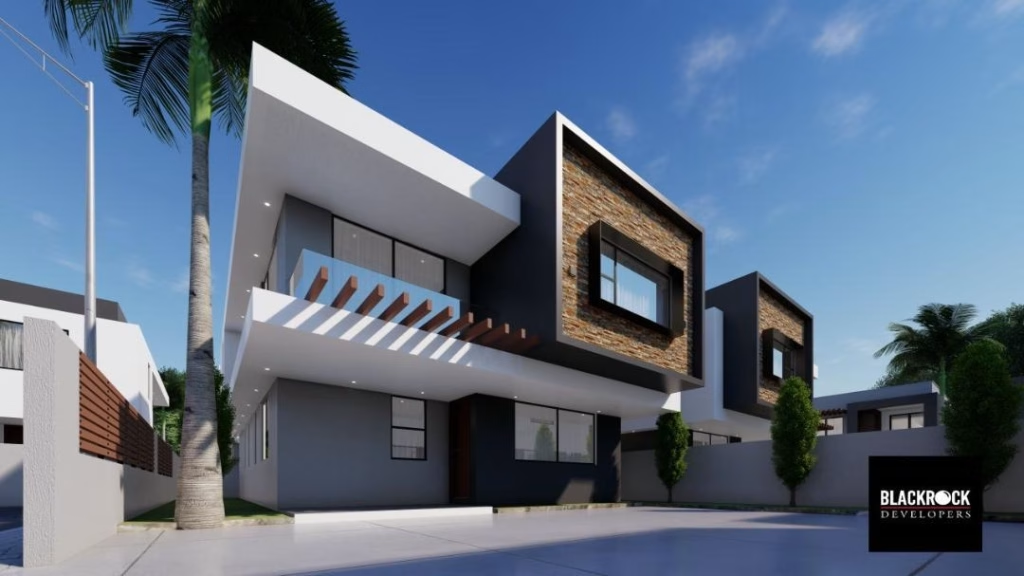
Real estate in Ghana is booming, with an increasing number of Ghanaians and expatriates investing in both residential and commercial properties. The demand for housing is on the rise, and with it comes a diverse range of options. From luxurious apartments in Accra to serene homes in the countryside, the choices are endless. However, the decision to build or buy isn‘t as straightforward as it seems, especially when considering ‘Building vs Buying in Ghana the hidden costs no one tells you about.’
Overview of the Market
The real estate market in Ghana is characterized by rapid growth, fueled by urbanization and a growing middle class. Citi es like Accra and Kumasi are experiencing a surge in property development, offering a mix of high-rise apartments, gated communities, and standalone houses. Despite this growth, challenges such as inadequate infrastructure and fluctuating property prices persist. Understanding these dynamics is vital for anyone considering ‘Building vs Buying in Ghana the hidden costs no one tells you about.’
Factors Influencing Real Estate Choices
Several factors influence whether individuals decide to build or buy a home. Economic conditions, interest rates, and government policies play a significant role in shaping the real estate landscape. Additionally, personal preferences, family needs, and lifestyle aspirations are crucial considerations. Understanding these factors can help buyers and builders make informed decisions, particularly in the context of ‘Building vs Buying in Ghana the hidden costs no one tells you about.’
The Role of Location
Location is a critical factor in the real estate decision-making process. Proximity to amenities such as schools, hospitals, and workplaces can significantly impact property value. Areas with robust infrastructure and security are particularly attractive to buyers. Whether building or buying, choosing the right location can enhance the property’s long-term value and livability.
The Allure of Buying a Home
Buying a home in Ghana can be an attractive option, especially for those who want to move in quickly. The process is relatively straightforward: find a property, negotiate a price, and complete the transaction. This option is ideal for individuals who prioritize convenience and time over customization.
Benefits of Immediate Occupancy
One of the most significant advantages of buying a home is the ability to move in immediately. For individuals with pressing timelines, such as expatriates relocating for work or families seeking stability, this is a key benefit. The convenience of avoiding construction delays and living in a ready-to-occupy home is a compelling factor for many buyers.
Predictable Financial Planning
Purchasing a home typically involves fixed costs, allowing for easier financial planning. Buyers can budget accurately, knowing the total expenditure upfront. This predictability extends to mortgage payments, enabling buyers to manage their finances effectively. Unlike building, where costs can fluctuate, buying provides a clearer financial picture from the start.
Reduced Stress and Management Hassles
Buying a home eliminates the stress and complexities associated with managing a construction project. The buyer is relieved from dealing with contractors, sourcing materials, and overseeing the construction timeline. This makes buying an attractive option for individuals who prefer a hassle-free experience and are willing to trade customization for convenience.
Disadvantages of Buying
While buying offers several advantages, it also comes with drawbacks that potential homeowners should consider.
Limited Scope for Customization
One of the primary limitations of buying is the lack of customization. Buyers must often settle for the existing design and features, which may not align perfectly with their tastes or needs. Renovations can address some issues, but they add to the cost and complexity of the purchase process.
Risks of Hidden Issues
Older homes, in particular, can harbor hidden problems such as plumbing or electrical issues that aren’t apparent until after purchase. These unforeseen issues can lead to costly repairs and renovations. Conducting thorough inspections and due diligence is essential to mitigate these risks, but even then, some problems may only surface after moving in.
Higher Initial Financial Outlay
The upfront cost of buying can be higher compared to building, especially in sought-after areas where property values are elevated. This initial financial outlay can be a barrier for some buyers, requiring larger down payments and potentially higher mortgage rates. Weighing these financial considerations against the benefits of immediate occupancy is crucial.
The Temptation of Building Your Own Home
On the flip side, building a home offers a blank canvas to create the house of your dreams. You have the freedom to choose everything from the layout to the finishing touches. However, this route comes with its own set of challenges and hidden costs.
Unmatched Customization Opportunities
Building a home allows for unparalleled customization, enabling homeowners to tailor every aspect of the property to their personal taste and lifestyle. From architectural style to interior finishes, the possibilities are endless. This level of personalization is particularly appealing to those who have a clear vision of their ideal living space.
Benefits of Modern Construction
Newly constructed homes benefit from modern building techniques, materials, and energy-efficient systems. Incorporating the latest technology and design trends can enhance the home’s functionality and sustainability. This not only improves the quality of living but also increases the property’s value over time, making it a sound investment.
Potential for Cost Efficiency
While building can be expensive, it offers potential cost savings if managed effectively. Homeowners who already own land can significantly reduce expenses. Additionally, by carefully selecting materials and contractors, it’s possible to control costs more effectively than in a volatile real estate market. However, meticulous planning and management are essential to avoid budget overruns.
Disadvantages of Building
Despite its allure, building a home is not without its challenges and pitfalls.
Lengthy and Uncertain Timelines
Building a house can take several months to years, depending on various factors such as design complexity, contractor efficiency, and weather conditions. This extended timeline can be frustrating for those eager to move into their new home. Moreover, unexpected delays can further prolong the construction process, requiring patience and adaptability.
The Burden of Project Management
Managing a construction project requires considerable effort and expertise. Homeowners must coordinate with architects, contractors, and suppliers, which can be time-consuming and stressful. Without the right knowledge or experience, overseeing the construction process can lead to missteps and increased costs, emphasizing the need for professional guidance.
Financial Risks of Variable Costs
Building costs can spiral out of control if not meticulously managed. Variations in material prices, labor shortages, and unforeseen site conditions can all contribute to escalating expenses. Establishing a realistic budget and contingency plan is crucial to navigating these financial uncertainties and ensuring the project remains viable.
Unveiling the Hidden Costs
Whether you choose to build or buy, there are hidden costs that can catch you off guard. Understanding these can help you make a more informed decision.
Hidden Costs of Buying
- Transfer Fees and Taxes: These legal fees are mandatory and can add a significant amount to the purchase price. Understanding the full scope of these costs is essential to avoid surprises.
- Renovations and Repairs: Older homes might need updates or repairs that weren’t initially apparent. Factoring in these potential expenses can prevent budget overruns post-purchase.
- Utility Connection Fees: Connecting to municipal water, electricity, and other utilities can be costly. These fees vary depending on location and infrastructure availability, so it’s important to research beforehand.
Hidden Costs of Building
- Land Preparation: Before construction, land might need to be cleared and leveled, which can be expensive. Site preparation is a critical but often underestimated component of building costs.
- Permits and Approvals: Securing the necessary permits and approvals from local authorities can be both time-consuming and costly. Compliance with regulations is mandatory, and failure to obtain the correct documentation can lead to delays and fines.
- Construction Delays: Delays due to weather, labor shortages, or material availability can increase costs significantly. Having a buffer in your budget and timeline can help mitigate the impact of these unforeseen challenges.
Making the Right Decision for You
Choosing between building and buying in Ghana depends on your personal circumstances, financial situation, and long-term goals. Here are some questions to consider:
Assessing Your Budget
Consider not just the initial costs but also the potential hidden costs associated with each option. A comprehensive financial assessment will help determine what you can afford and where you might need to make trade-offs. Look into financing options and consult with financial advisors to ensure you make a sustainable decision.
Evaluating Time Constraints
How much time do you have? If you need to move in quickly, buying might be the better option. However, if you have the luxury of time and want a home tailored to your specifications, building could be more rewarding. Understanding your timeline will guide your decision-making process and help set realistic expectations.
Gauging Your Expertise and Resources
Do you have the expertise to manage a construction project? Building requires a significant time commitment and knowledge of the construction process. Assess your ability to oversee a project or consider hiring a professional project manager to alleviate the burden and ensure a successful outcome.
Aligning with Long-term Goals
What are your long-term goals? Consider how long you plan to stay in the property and how it fits into your future plans. Whether building or buying, ensure that your choice aligns with your lifestyle aspirations and investment objectives. Long-term planning is crucial for maximizing the benefits of your real estate investment.
Conclusion
The decision to build or buy a home in Ghana is a significant one, with each option offering its own set of advantages and challenges. By understanding the hidden costs and weighing the pros and cons, you can make a more informed decision that aligns with your financial and personal objectives.
Whether you choose the path of buying an existing home or embarking on the journey of building your own, being aware of the potential pitfalls and planning accordingly can help ensure a smoother process and a more satisfying outcome. A thoughtful approach, combined with thorough research and expert advice, will guide you toward the best decision for your unique situation. So now the decision is whether you want to buy or build, Blackrock Developers is here to smoothen the path.
