



Purchasing a house in Ghana can be an exciting venture, but it also requires careful consideration and due diligence. Before you sign on the dotted line, there are several critical checks you need to perform to ensure a smooth and secure transaction. This guide will walk you through 5 Must-Do Checks Before Buying a House in Ghana, essential checks you should do before buying a house in Ghana.
The title deed is a crucial document that proves the legal ownership of the property. It is essential to verify the authenticity of the title deed to ensure that the seller has the legal right to sell the property. Here’s how you can do this:
- Visit the Lands Commission: The Lands Commission in Ghana is responsible for managing public lands and advising the government on land policies. You can visit their office to verify the title deed. Make sure that the name on the deed matches the seller’s name and that there are no disputes or encumbrances on the property.
- Check for Encumbrances: An encumbrance is a claim or lien on the property by someone other than the owner. This can include mortgages, unpaid taxes, or legal disputes. Ensuring that the property is free from encumbrances will save you from potential legal battles in the future.
2. Obtain a Site Plan
A site plan is a detailed map of the property that shows its boundaries, dimensions, and any existing structures. This document is vital for understanding the layout of the property and ensuring that it matches what the seller is offering.
- Cross-Check with the Survey Department: The Survey Department in Ghana can help you verify the accuracy of the site plan. They will ensure that the plan corresponds with the official records and that there are no discrepancies.
- Inspect the Physical Boundaries: It’s important to physically inspect the property to confirm that the boundaries marked on the site plan match the actual boundaries on the ground. This will help you avoid disputes with neighboring property owners.
3. Check for Utility Connections
Before purchasing a property, it’s crucial to check for existing utility connections such as water, electricity, and sewage. These utilities are essential for comfortable living and can significantly impact your decision to buy the property.
- Inquire About Utility Providers: Contact the local utility providers to confirm whether the property is connected to essential services. If not, inquire about the cost and feasibility of connecting these services.
- Inspect the Infrastructure: Ensure that the infrastructure supporting these utilities is in good condition. This includes checking the quality of water supply, the reliability of electricity, and the efficiency of the sewage system.
4. Conduct a Land Survey
A land survey is an official examination of the property’s boundaries and topography. It is crucial for confirming the size and layout of the property and for identifying any potential issues.
- Hire a Licensed Surveyor: A licensed surveyor will provide you with an accurate representation of the property. They will identify any encroachments or discrepancies between the site plan and the actual land.
- Assess the Topography: Understanding the topography of the land is essential, especially if you plan to build on the property. A survey will reveal any slopes, drainage issues, or flood-prone areas that might affect construction.
5. Confirm Permitted Land Use
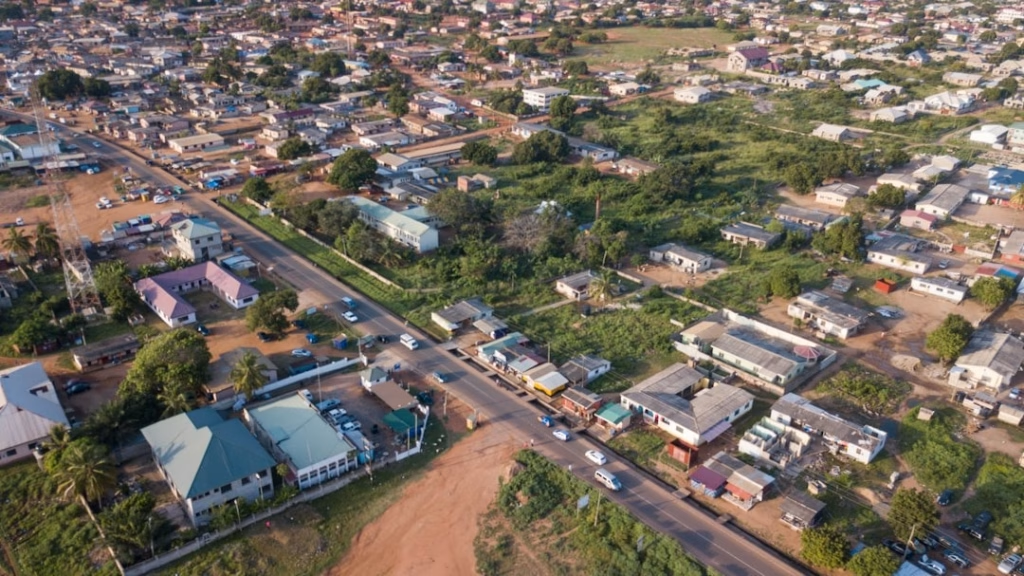
The permitted land use determines how the property can be used, whether for residential, commercial, agricultural, or other purposes. It’s crucial to ensure that the property’s land use aligns with your intended purpose.
- Check Zoning Regulations: The local planning authority can provide information on zoning regulations and permitted land use. Make sure the property is zoned for your intended use to avoid legal issues in the future.
- Consider Future Development Plans: Investigate any future development plans in the area that might affect the property’s value or suitability for your intended use. This includes planned infrastructure projects, changes in zoning laws, or nearby developments.
Conclusion
Purchasing land or a house in Ghana is a significant investment that requires careful planning and due diligence. By verifying the title deed, obtaining a site plan, checking utility connections, conducting a land survey, and confirming permitted land use, you can ensure a secure and successful transaction.
Take the time to perform these essential checks and consult with professionals such as real estate agents, surveyors, and legal advisors to guide you through the process. With the right preparation, you can confidently navigate the Ghanaian real estate market and secure the property of your dreams.
